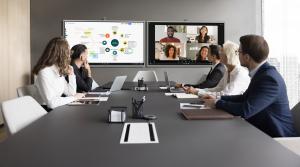


The rise of hybrid and remote work has made BYOD (Bring Your Own Device) a critical component of modern workplace strategy.
As more businesses shift toward hybrid work models and dynamic meeting environments, the demand for BYOD-compatible AV solutions in modern office spaces has skyrocketed. Whether it’s a Zoom call on a tablet, a client presentation from a personal laptop, or quick collaboration using smartphones, employees expect seamless connectivity.
That’s where BYOD-friendly audio-visual integration plays a pivotal role.
Why BYOD Matters in Corporate Environments
Modern corporate offices are embracing digital transformation to enhance collaboration, boost productivity, and support employee flexibility. BYOD policies offer several benefits:
- Increased employee satisfaction due to device familiarity
- Cost efficiency by reducing the need for standardized devices
- Faster meeting setups without technical complications
- Greater mobility and flexibility across departments
However, the real challenge lies in ensuring that a variety of personal devices can connect effortlessly with office AV infrastructure.
BYOD-Friendly AV: The Game-Changer
An effective BYOD AV solution ensures that any user—regardless of device type or operating system—can connect to in-room displays, video conferencing systems, or audio setups with ease.
At the heart of this innovation are universal connectivity tools, wireless presentation systems, and smart meeting room integration.
To ensure the success of BYOD implementation, organizations must also focus on employee training and user adoption. Familiarizing users with available AV tools and protocols ensures smoother, more confident usage across teams.
Equally important is collaboration between IT and AV teams. Ensuring unified standards for device compatibility, network security, and troubleshooting helps create a seamless experience while maintaining operational integrity.
Key Components of a BYOD-Ready Office AV System
1.Wireless Collaboration Tools
Solutions like Barco ClickShare allow users to share content without HDMI cables or adapters. One-click presentation from any device means faster, more efficient meetings.
2. Universal Video Conferencing Compatibility
Integration with platforms like Zoom, Microsoft Teams, Google Meet, and WebEx ensures employees can use their preferred tools without friction.
3. Touchless AV Control
Touch-free interfaces via smartphones or voice commands enhance hygiene and convenience—features that have become increasingly important post-pandemic
4. High-Speed Connectivity and Secure Networks
Enterprise-grade wireless networks and strong security protocols ensure BYOD usage doesn’t compromise company data.
5. Interactive Displays and Smart Boards
Compatible with multiple devices, these tools transform brainstorming sessions and client presentations into immersive, collaborative experiences.
6. AV Analytics & Monitoring Tools
Incorporating tools that track device usage, room occupancy, and meeting frequency can help organizations optimize AV infrastructure and resource allocation, making future planning data-driven and cost-effective.
The Business Case for BYOD-Compatible AV Integration
Investing in BYOD-compatible AV technology isn’t just a tech upgrade—it’s a strategic business decision. Here’s why corporates are making the shift:
- Enhanced Collaboration: Real-time sharing across devices encourages dynamic team interactions.
- Boosted Productivity: Reduced setup time means meetings start on time and end with clear outcomes.
- Future-Proof Infrastructure: Scalable solutions accommodate evolving technologies and workforce needs.
Positive Client Impressions: BYOD-ready boardrooms reflect a company’s tech-savviness and commitment to innovation.
Elevate Your Office with Smart AV Planning
At SISPL, we specialize in designing and implementing BYOD-compatible AV solutions tailored to your office layout, workflow needs, and technical infrastructure.
From conference rooms and huddle spaces to enterprise-wide AV ecosystems, our expertise ensures your workplace stays ahead of the curve.